Apathy Killer
A Song Review
An honest and quietly courageous portrait of crawling out from under depression one small task at a time, these lyrics find genuine heroism in the mundane. Shaking hands, aching bones, and a calendar deliberately filled with reasons to leave the house — the song charts the unglamorous work of choosing engagement over isolation, community over numbness, and presence over the comfortable paralysis of a life grown too familiar. It doesn't promise a cure or a breakthrough, just the next step — and somehow that's exactly enough.
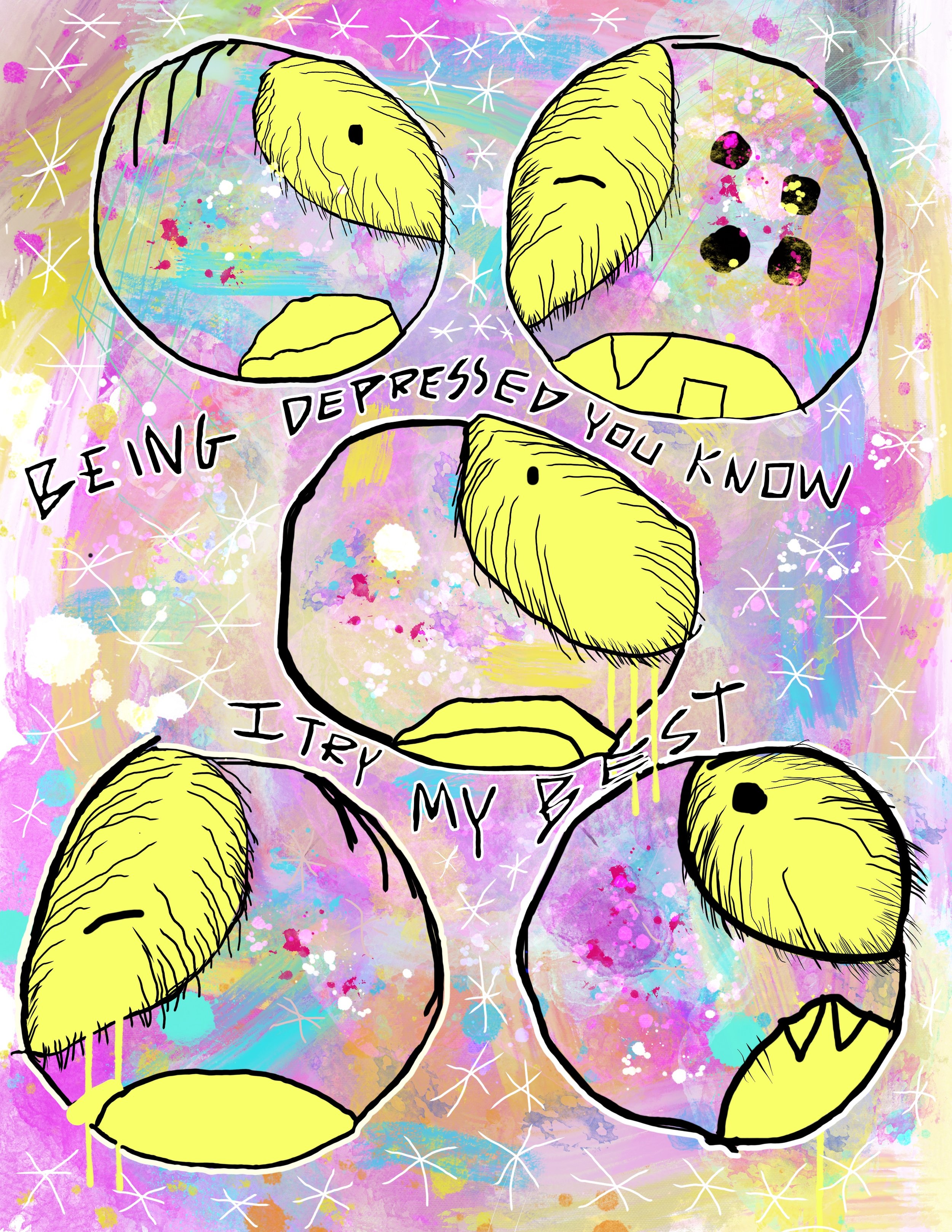
Lyrics
I wake up in the morning and need caffeine
Doing my best to fight my apathy
I think that isolation’s killing me
Gotta get to work because life’s not free
I admit that maybe I’ve been lazy
Gotta go to the store and get some groceries
Pick up my clothes and do some laundry
Try to make some room for creativity
My hands are shaking
But it won’t slow me down
My body’s aching
But it won’t stop me now
It seems that I’ve been hibernating
Wide awake but sleeping in a dormant state
I don’t have too much time to waste
Being depressed you know I try my best
I let my life get too familiar
Gotta get some fun things on my calendar
Spend some time in my community
Surround myself with those like me
My hands are shaking
But it won’t slow me down
My body’s aching
But it won’t stop me now
Slow down, don’t blink, you don’t wanna miss a thing
Slow down, don’t blink, you don’t wanna miss a thing
Slow down, don’t blink, you don’t wanna miss a thing
Slow down, don’t blink, you don’t wanna miss a thing
Analysis
Depression as a Physical State The song is unusually honest about the bodily experience of depression and apathy — shaking hands, an aching body, the need for caffeine just to begin functioning. These aren't metaphors, they're symptoms, and naming them so plainly gives the lyrics an intimacy and authenticity that will resonate immediately with anyone who has experienced mental health struggles. There's no glamorizing here, just the unglamorous reality of getting through a day.
The Mundane as Heroic Groceries, laundry, going to the store — the tasks listed are so ordinary that in any other context they would be invisible. Here they become acts of resistance. The song quietly reframes the bare minimum as something genuinely hard-won, which will feel deeply validating to listeners who know how enormous small tasks can feel when your mind is working against you.
Self-Awareness Without Self-Pity "I admit that maybe I've been lazy" is a complicated line — it captures the internal voice that conflates depression with character failure, something many listeners will painfully recognize. But the song doesn't wallow in that self-criticism. It acknowledges it and moves forward anyway, which gives the whole piece a tone of gentle, unsentimental self-compassion.
Hibernation as Metaphor "Wide awake but sleeping in a dormant state" is the lyrical highlight — a precise and evocative description of the dissociated numbness of depression. Not unconscious, not absent, just suspended. It will land hard for anyone who has felt present in their life without actually feeling alive in it.
Community as Medicine The second verse pivot toward calendars, community, and surrounding yourself with like-minded people reframes recovery not as a solitary act of willpower but as something social and intentional. It's a quietly radical idea — that belonging and fun are not luxuries but necessities — and it lands without being preachy.
Urgency & Presence The closing mantra "slow down, don't blink, you don't wanna miss a thing" lands as both a warning and a gift. After a song about lost time and dormancy, the instruction to slow down and pay attention carries real emotional weight. It's not triumphant so much as tender — a reminder that the life worth showing up for is already happening.
