Fight
A Song Review
A sharp-edged call to arms disguised as an indie rock anthem, these lyrics reject the escapism of the privileged few and argue that genuine resistance starts at the individual level. Where the powerful build bunkers and eye exits, the song insists on staying, fighting, and changing — armed with nothing more than words, a guitar, and the belief that ordinary people still have the power to do things differently.
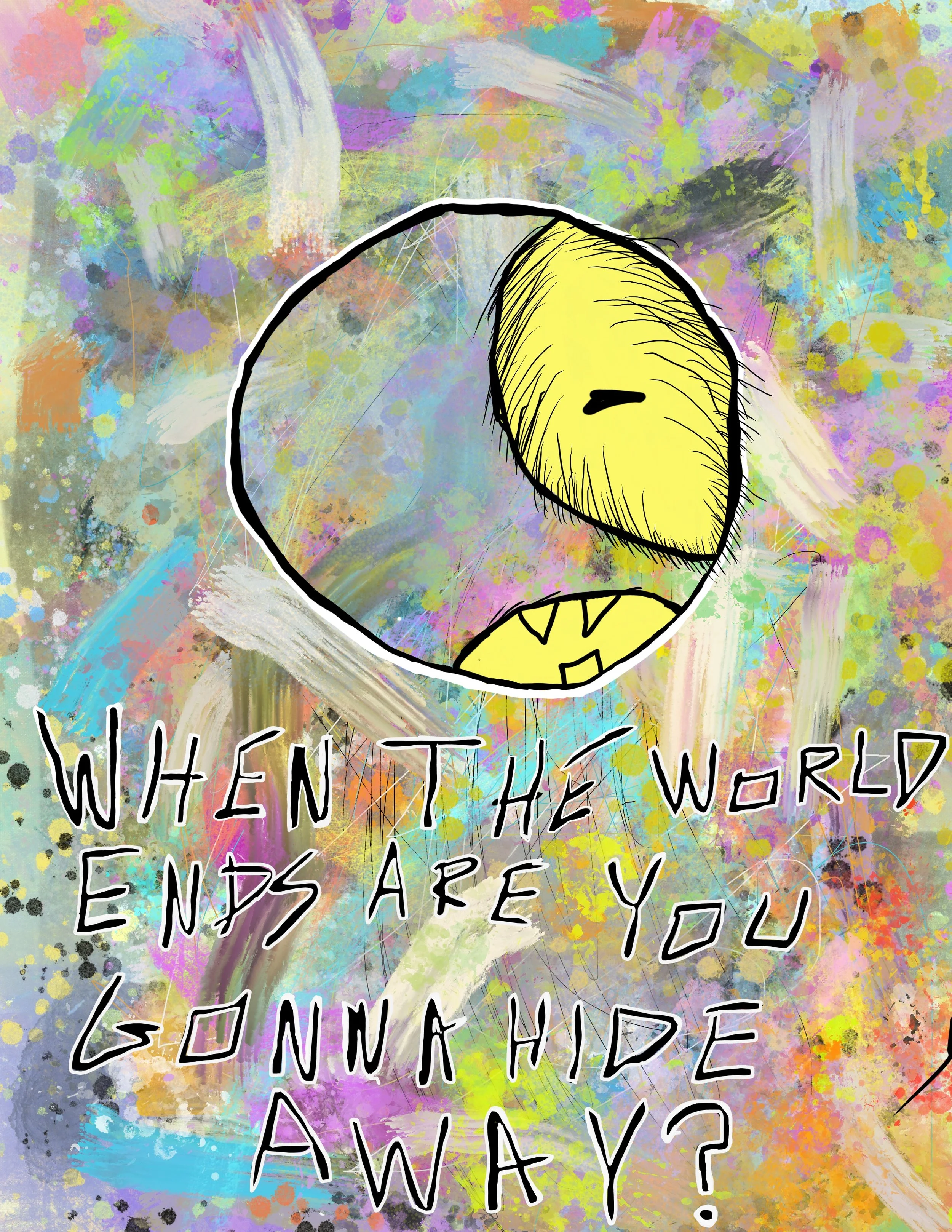
Lyrics
When the world ends
Are you gonna hide away
Save your piles of money for a rainy day
Live in an underground bunker
Or colonize Mars
Hunker down and let the others starve
Words are my weapon
My guitar is my sword
Follow your passion
I won’t hide away
Live to fight another day
Maybe there is still hope for humanity
But I think it’s up to you and me
Every hour every minute every day
Is a chance to do things another way
No one says you have to stay the same
Sometimes what you need is just to change
I won’t hide away
Live to fight another day
I won’t hide away
Analysis
These lyrics operate on a clear tension between two kinds of people in a crisis — those who retreat and those who resist.
Critique of Wealth & Escapism (Opening) The opening verses take direct aim at the ultra-wealthy response to societal collapse — hoarding money, building bunkers, colonizing Mars. The imagery is specific enough to feel like a pointed reference to real-world billionaire survivalism, and it will evoke frustration, cynicism, and dark humor in equal measure. There's a biting sarcasm to "save your piles of money for a rainy day" that listeners will immediately recognize.
Artist as Activist "Words are my weapon, my guitar is my sword" is the emotional and philosophical heart of the song. It reframes artistic expression as a form of resistance rather than escape — the opposite of bunker mentality. This will resonate deeply with listeners who believe in the power of art and community over wealth and isolation.
Hope & Collective Responsibility The chorus shift into "maybe there is still hope for humanity, but I think it's up to you and me" avoids both naïve optimism and hopeless cynicism. It lands somewhere more honest and more challenging — placing responsibility squarely on ordinary people rather than institutions or leaders. This will evoke a mixture of urgency, solidarity, and quiet determination.
Personal Change as Political Act "No one says you have to stay the same, sometimes what you need is just to change" broadens the message beyond the political into the personal. It suggests that social change and self-change are inseparable — a nuanced idea delivered with disarming simplicity.