Toxic Femininity
A SONG Review
A fierce and unflinching rally cry, these lyrics channel the exhaustion and fury of navigating a world that simultaneously demands women shrink themselves and holds them to impossible standards. Moving from the personal — the daily performance of acceptable femininity — to the political — equal pay, reproductive rights, bodily autonomy — the song argues that rage is not just understandable but earned. It refuses the false choice between traditional expectation and personal freedom, insisting instead on the radical idea that women should simply be allowed to live on their own terms. Raw, direct, and deliberately uncomfortable, it's a song that doesn't ask for permission.
Lyrics
Every day they’re taking our rights away
Stay in your place
Be a traditional wife
Lead an invisible life
Toxic femininity making it hard to breathe
It’s hard to live when you’re not free
Don’t be too loud
Don’t make a scene
You better look good but don’t you tempt me
I don’t exist to breed
Or please the male gaze
All I’ve got is this seething female rage
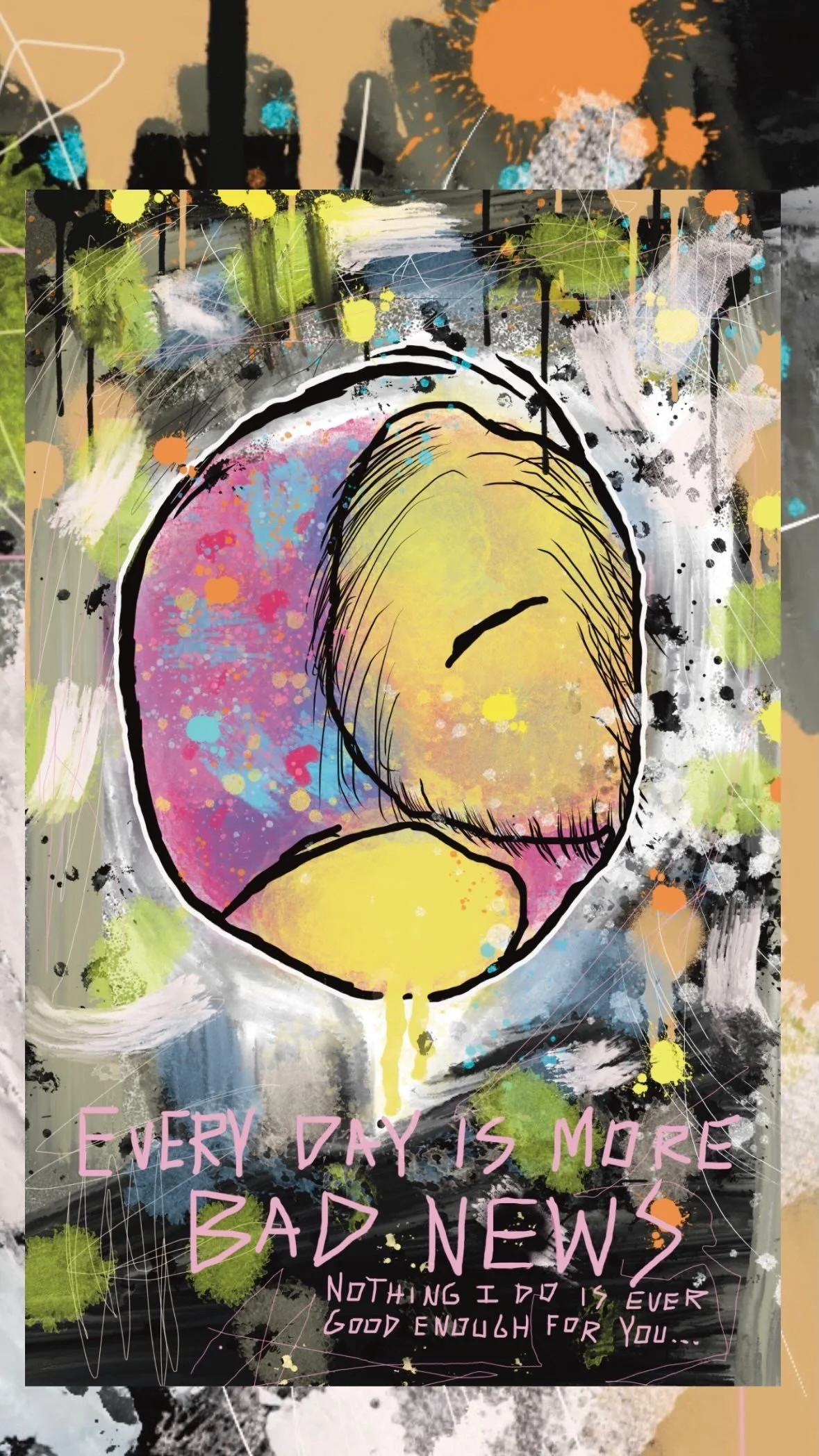
Every day is more bad news
Nothing I do is ever good enough for you
We want equal pay
We want a liveable wage
Afford to have a baby and raise a family
We want the right to be
A childless cat lady
The American Dream is bodily autonomy
Every day is more bad news
Nothing I do is ever good enough for you
Every day is more bad news
Nothing I do is ever good enough for you
Analysis
Oppression & Constraint (Opening) The opening verses establish an immediate atmosphere of suffocation. "Stay in your place," "lead an invisible life," "hard to breathe" — these images pile on top of each other to evoke the specific experience of existing within systems and expectations designed to minimize you. The phrase "toxic femininity" is a deliberate inversion of a familiar term, reframing femininity itself as something that has been weaponized against women by cultural expectation.
Rage as Survival "All I've got is this seething female rage" is the emotional spine of the song — and crucially, it frames rage not as a flaw or an overreaction but as a rational response to an irrational situation. It reclaims anger as something legitimate and even necessary rather than something to be managed or apologized for.
The Impossible Standard "Don't be too loud, don't make a scene, you better look good but don't you tempt me" captures the maddening double bind women are placed in — simultaneously expected to be attractive and blamed for attracting attention. "Nothing I do is ever good enough for you" extends this into a broader critique of systems that move the goalposts regardless of compliance.
Economic & Political Reality The shift into equal pay, liveable wages, and reproductive rights grounds the personal fury in concrete political stakes. The juxtaposition of "afford to raise a family" alongside "the right to be a childless cat lady" is sharp and intentional — arguing not for one particular life choice but for the freedom to choose at all. Framing bodily autonomy as "the American Dream" is a pointed and effective rhetorical move, reclaiming patriotic language for feminist ends.